Masterpiece stories
Twelve paintings, and what is actually going on in them
Not biographies and not listicles: what the painting is made of, what the painter was doing at the time, and why the composition still holds a room together.
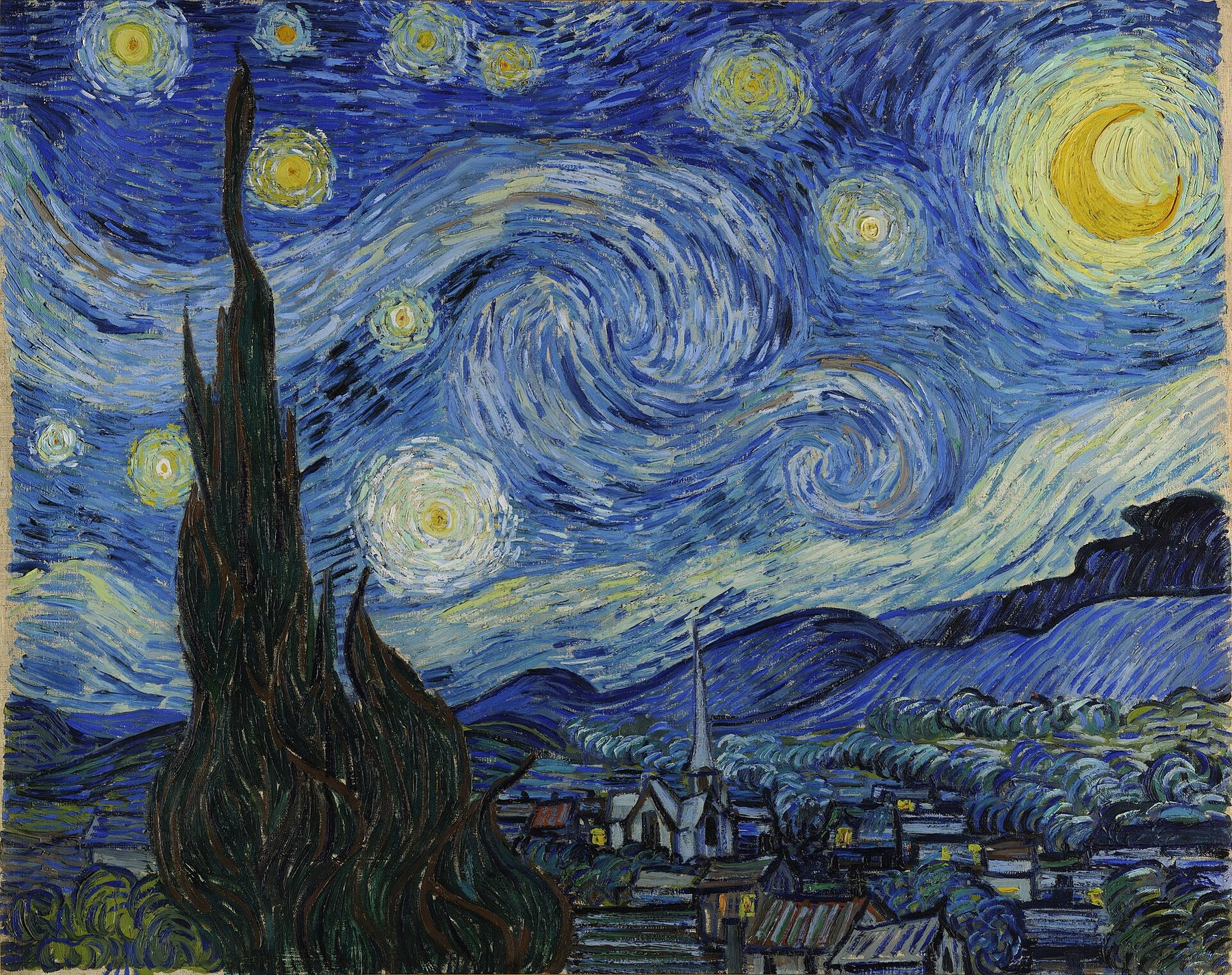
Vincent van Gogh · 1889
The Starry Night
Van Gogh painted this in the summer of 1889 from a room in the asylum at Saint-Rémy, and the village underneath the sky is not the village h
Read the story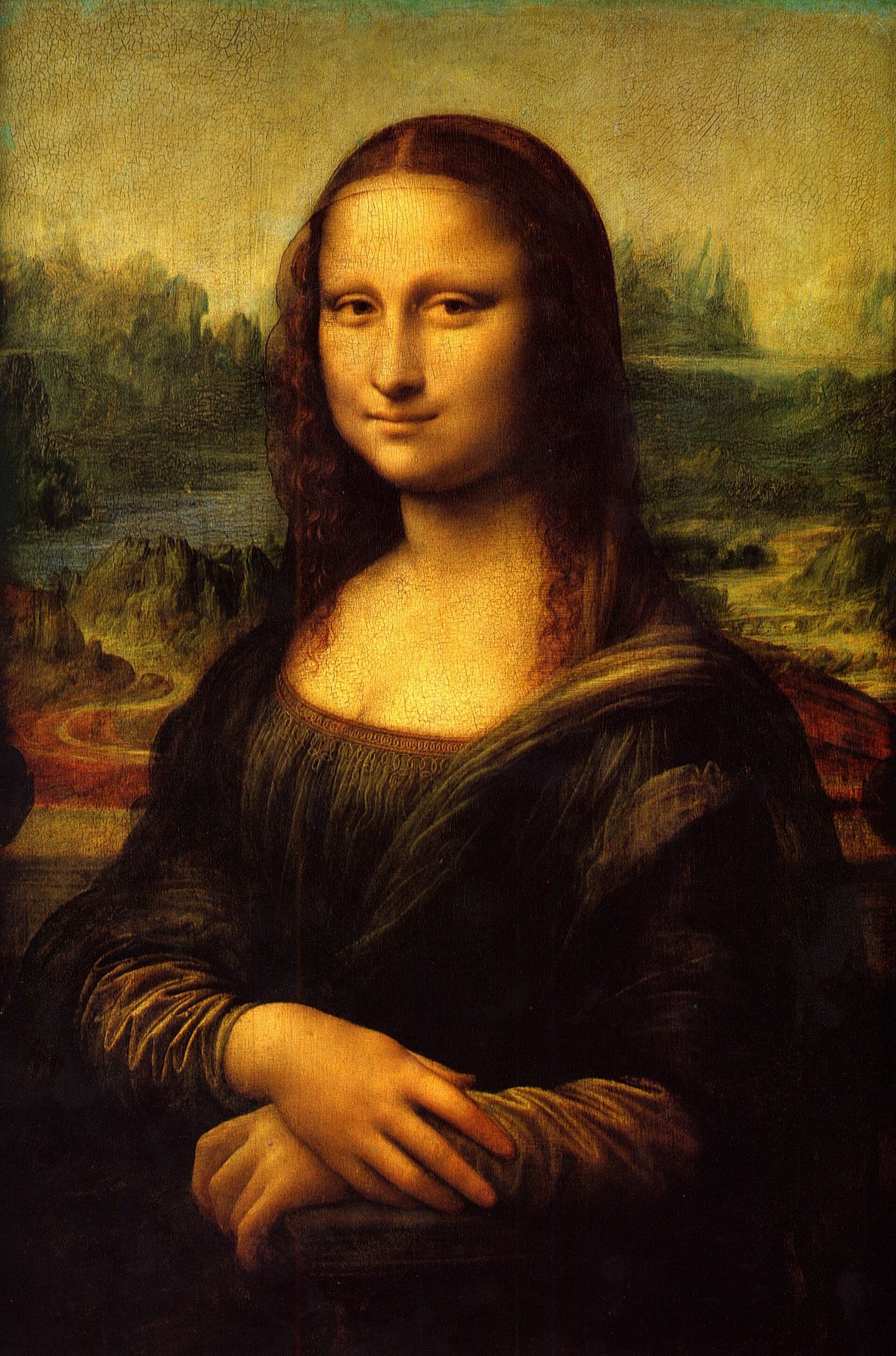
Leonardo da Vinci · c.1503–1519
Mona Lisa (La Gioconda)
Leonardo began the portrait around 1503, kept it for the rest of his life, carried it to France and never delivered it to the man who ordere
Read the story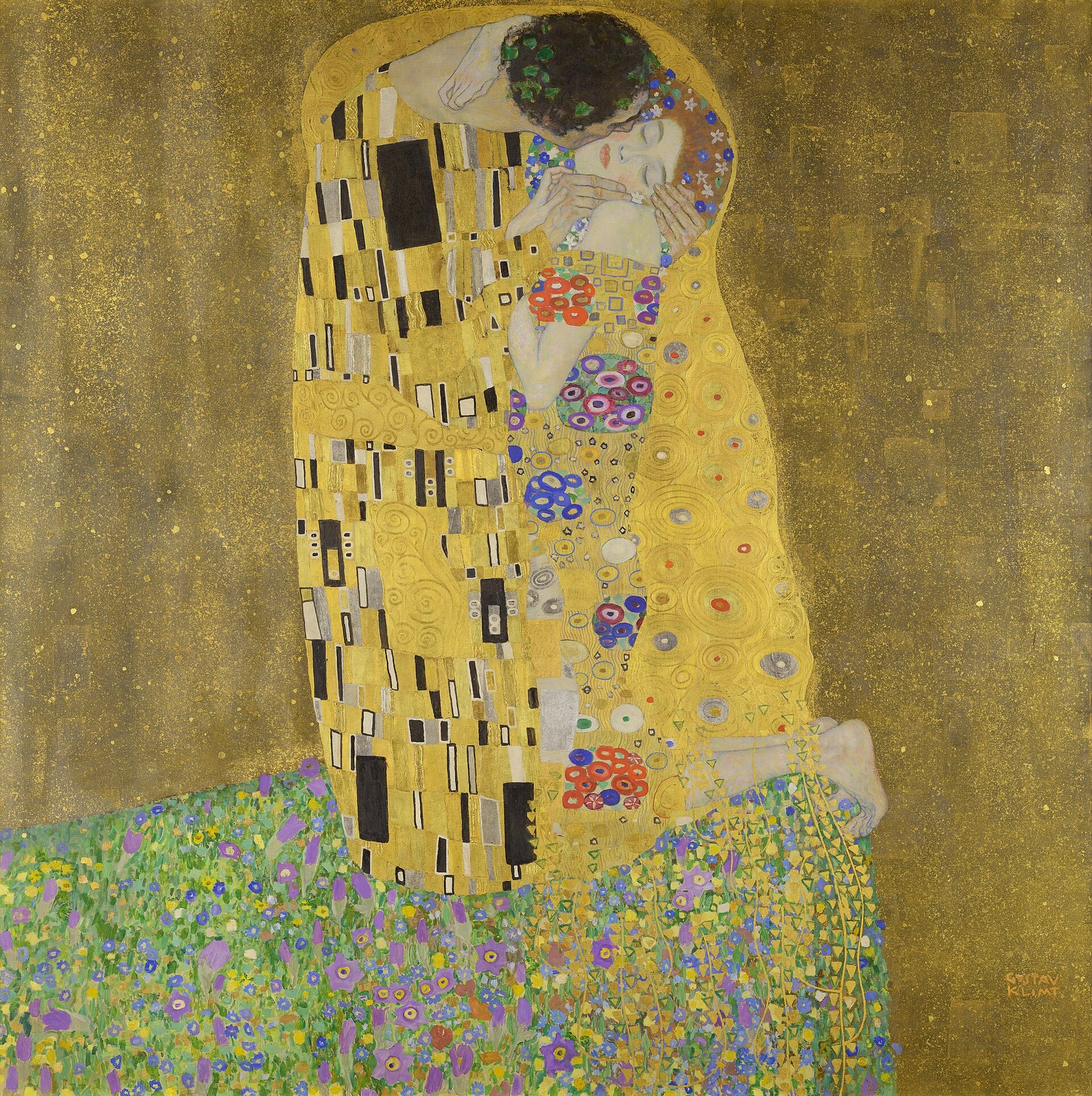
Gustav Klimt · 1907–1908
The Kiss (Der Kuss)
Klimt finished it in 1908, the Austrian state bought it the same year, and it has hung in Vienna ever since — 180 cm square, oil and gold le
Read the story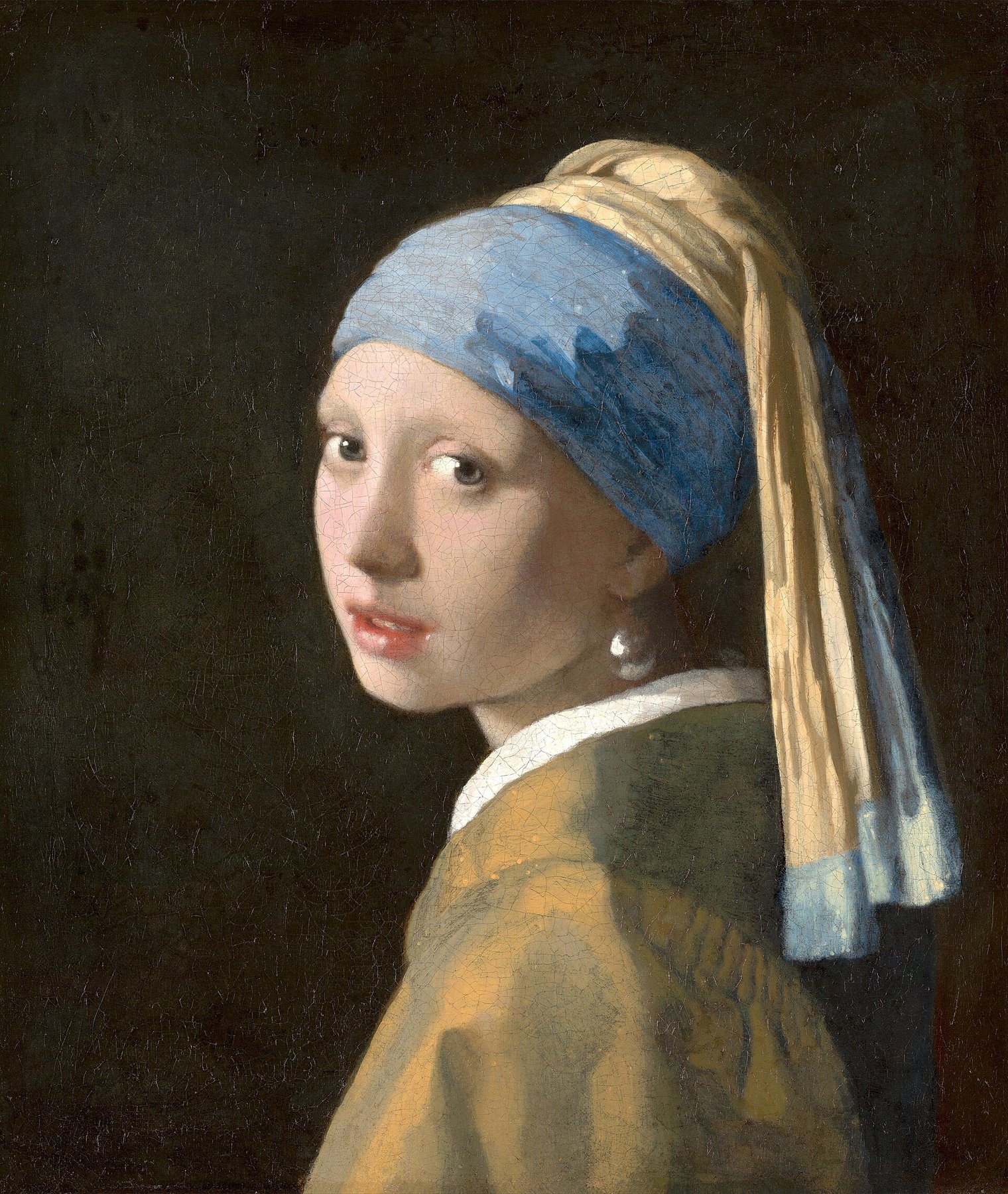
Johannes Vermeer · c.1665
Girl with a Pearl Earring
Vermeer painted her around 1665 as a tronie — a study of a head rather than a portrait of a sitter — which is why nobody has ever been able
Read the story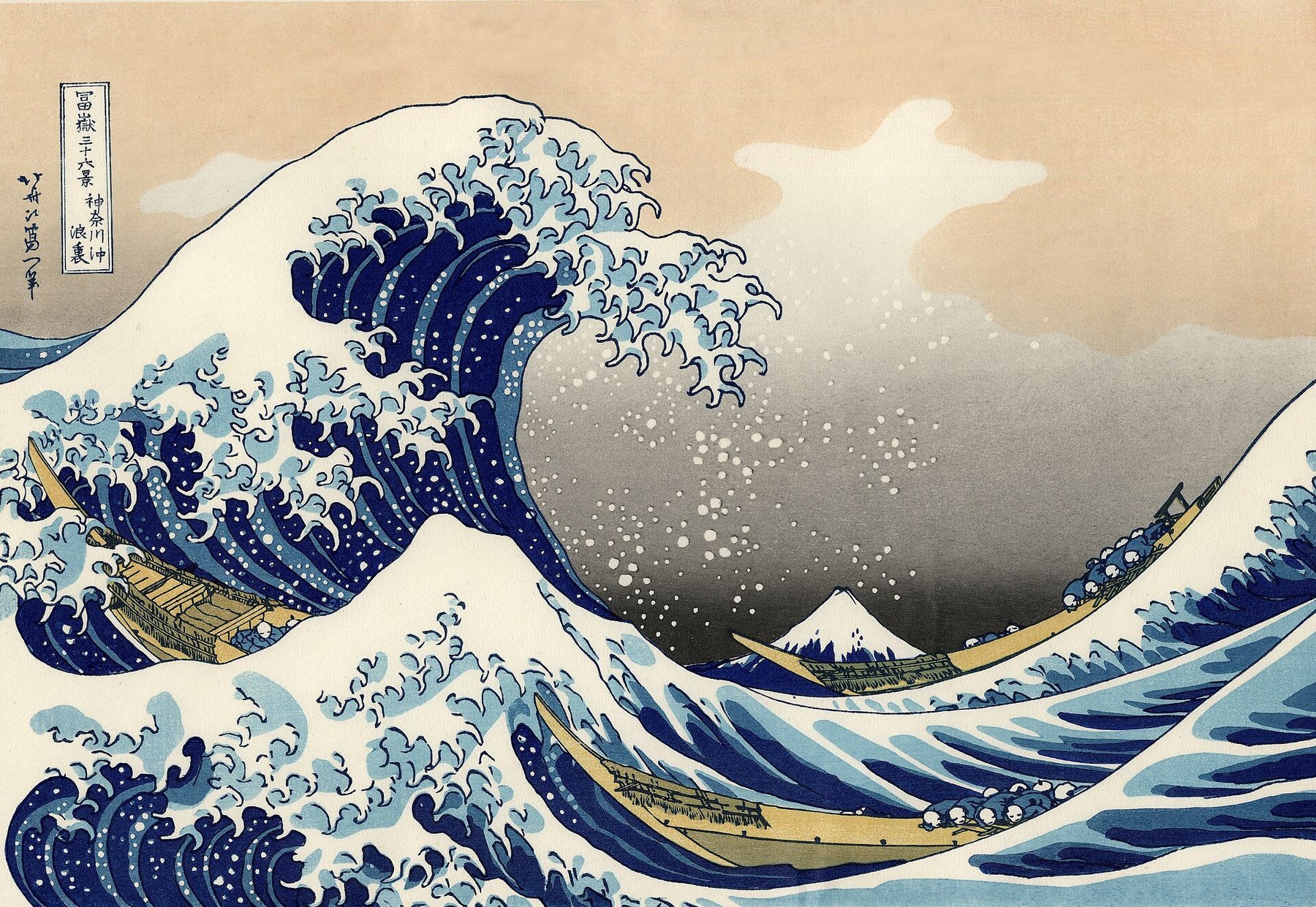
Katsushika Hokusai · c.1830–1832
The Great Wave off Kanagawa
It is a colour woodblock print from Hokusai's Thirty-Six Views of Mount Fuji, made around 1830 to 1832, cut and printed by craftsmen rather
Read the story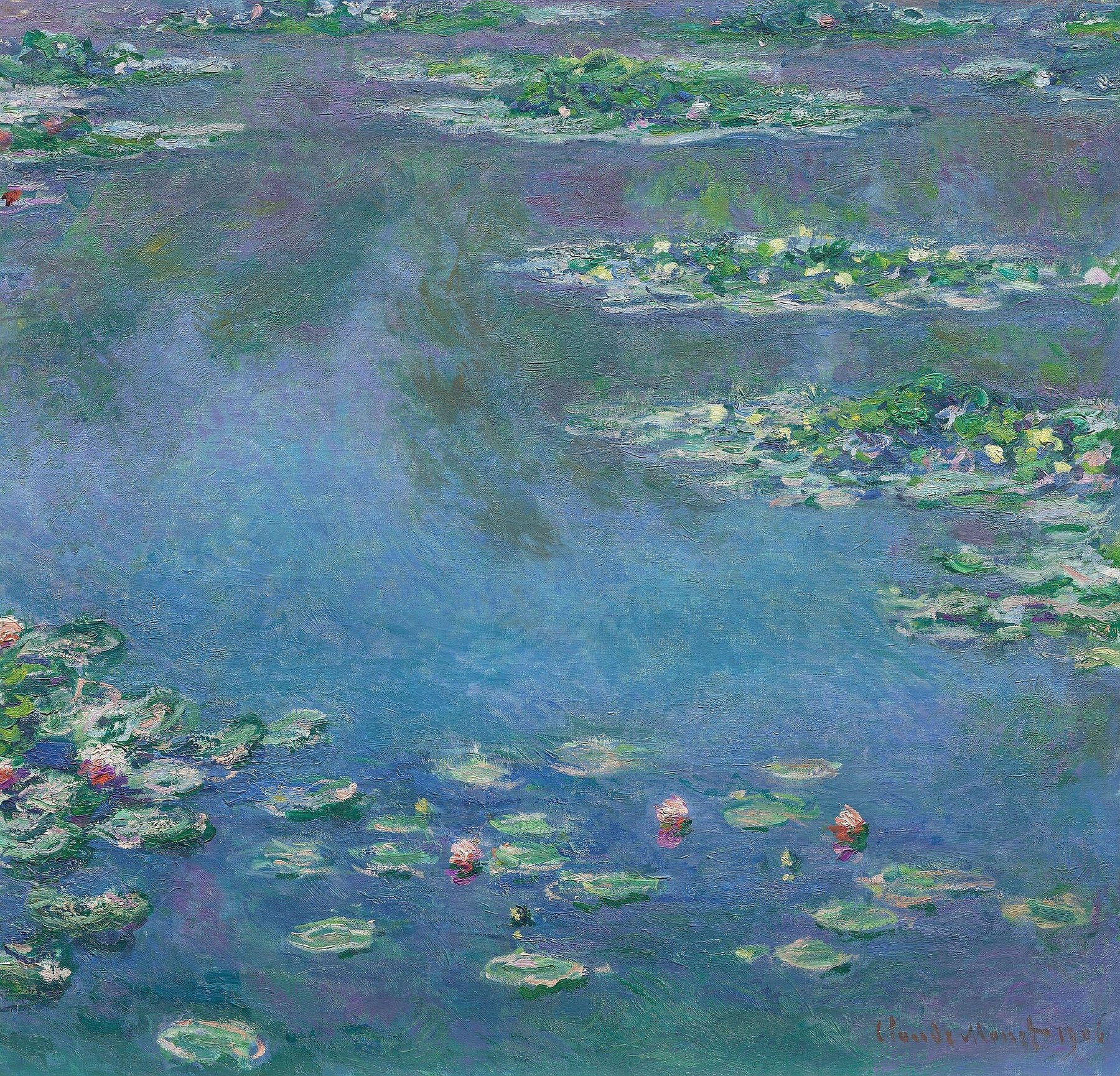
Claude Monet · 1899–1926
Water Lilies (Nymphéas)
Monet painted the water garden at Giverny from 1899 until his death in 1926 — around 250 canvases of the same surface of water, ending with
Read the story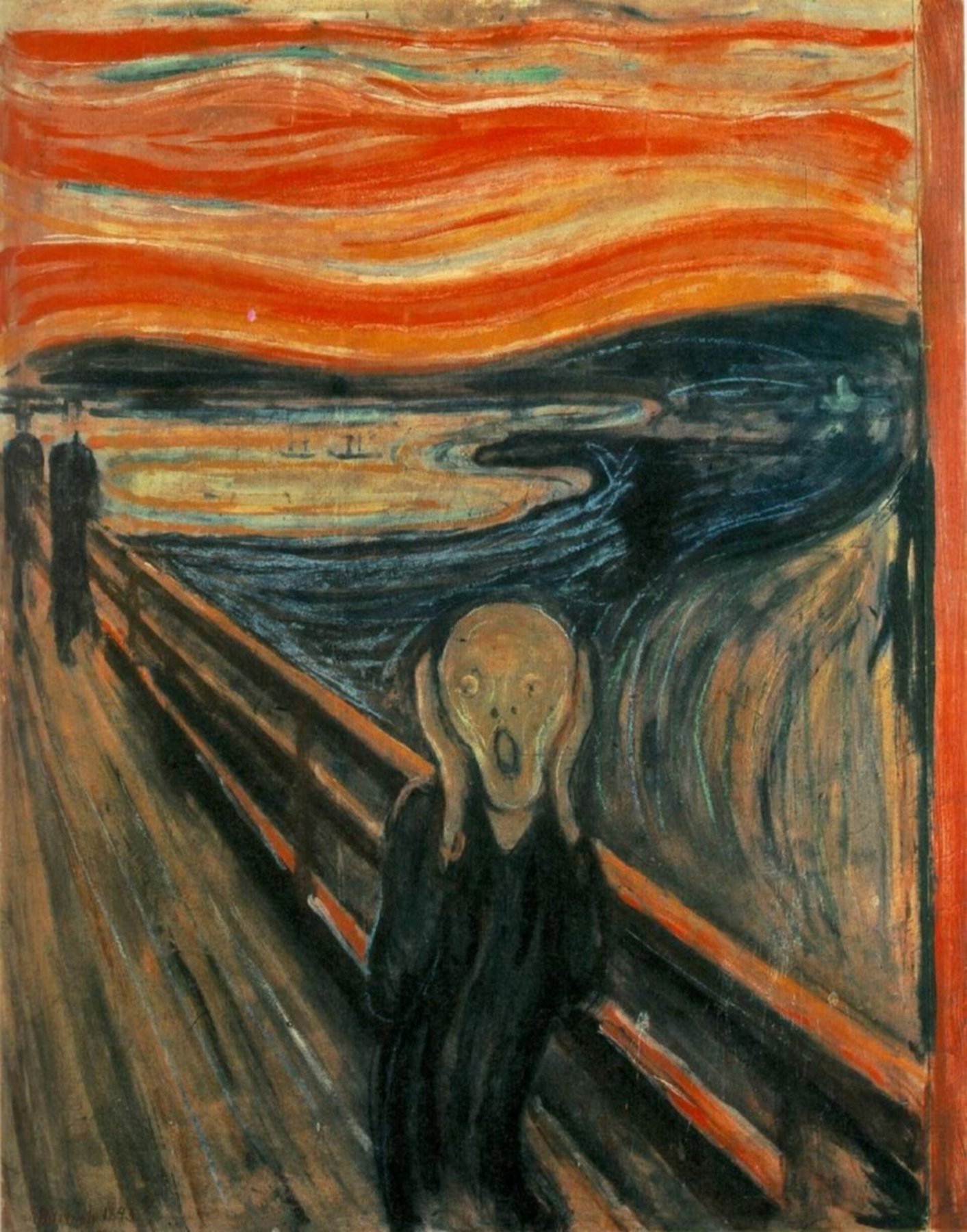
Edvard Munch · 1893
The Scream
Munch's The Scream exists in four versions, two of which have been stolen and recovered, and the 1893 original in Oslo is smaller, stranger
Read the story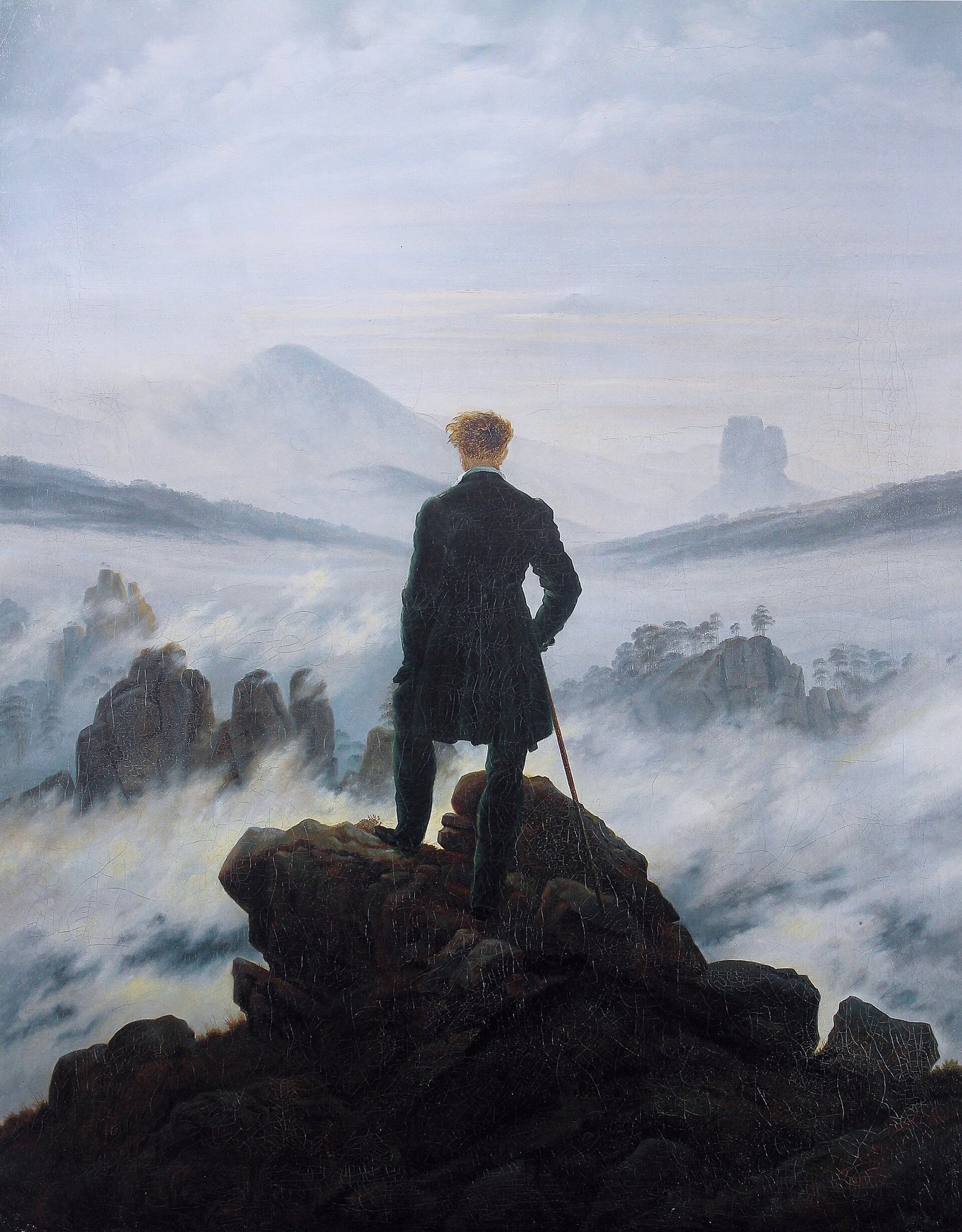
Caspar David Friedrich · c.1818
Wanderer above the Sea of Fog
Friedrich's Wanderer above the Sea of Fog is not a view of one real mountain but a composed landscape, assembled from studies, and its stand
Read the story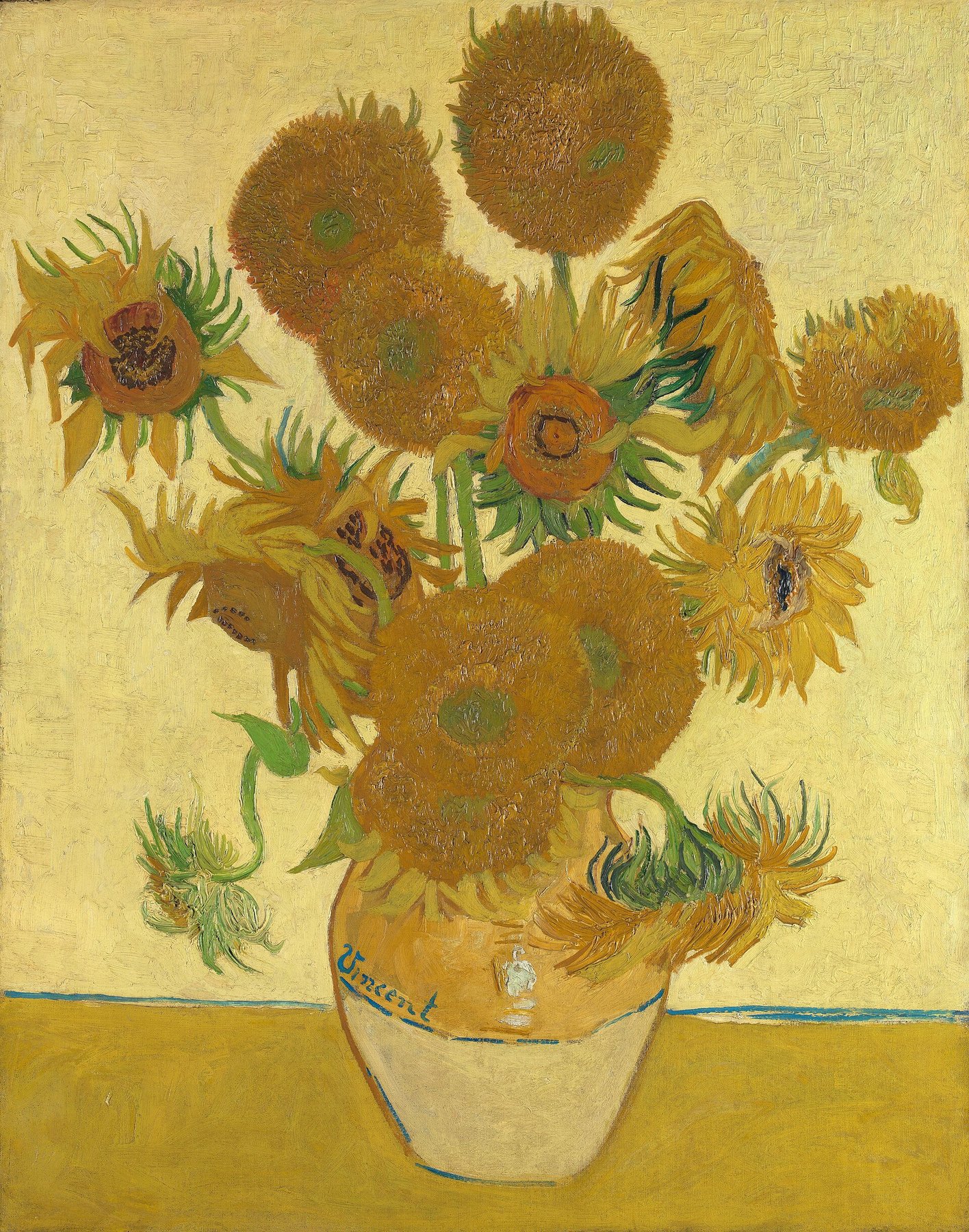
Vincent van Gogh · 1888
Sunflowers
The Arles Sunflowers in London was painted in August 1888 to decorate the room Van Gogh had prepared for Gauguin, and its famous yellows are
Read the story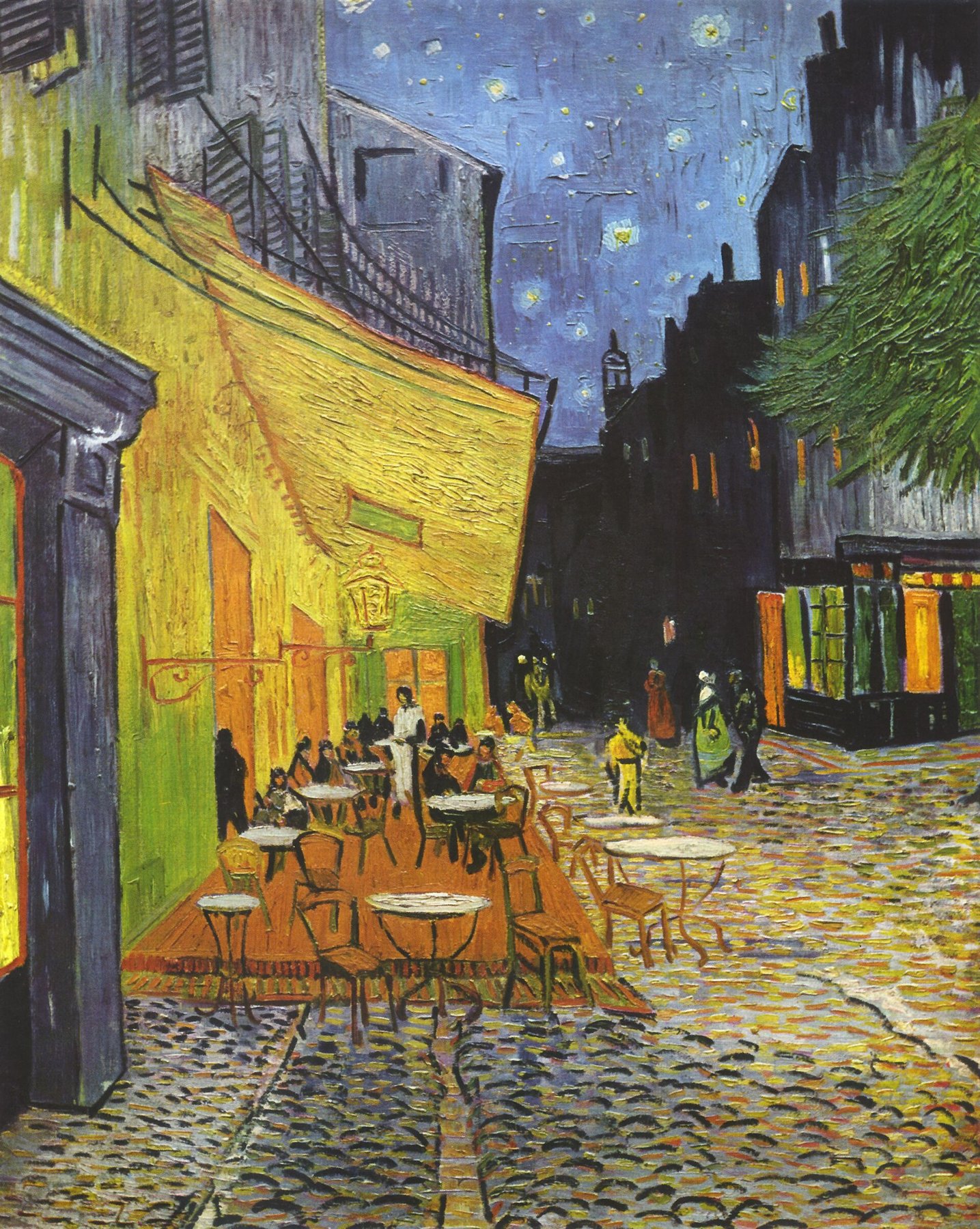
Vincent van Gogh · 1888
Café Terrace at Night
In September 1888 Van Gogh painted the Place du Forum in Arles at night using blues, greens and yellows, and told his sister he had done it
Read the story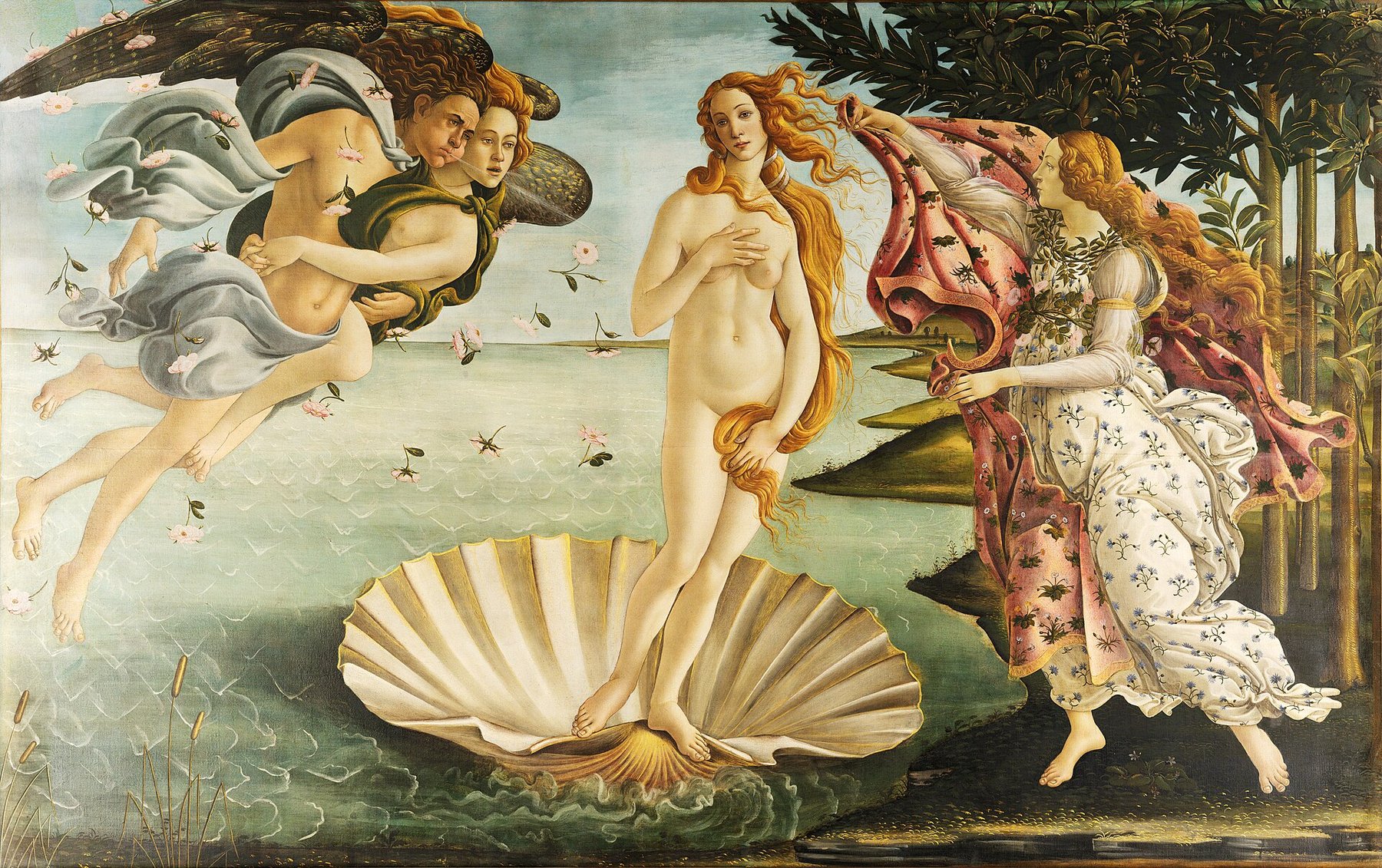
Sandro Botticelli · c.1485–1486
The Birth of Venus
Botticelli's Birth of Venus is a tempera-on-canvas mythological scene from Florence, and some of its best-known stories — the patron, the mo
Read the story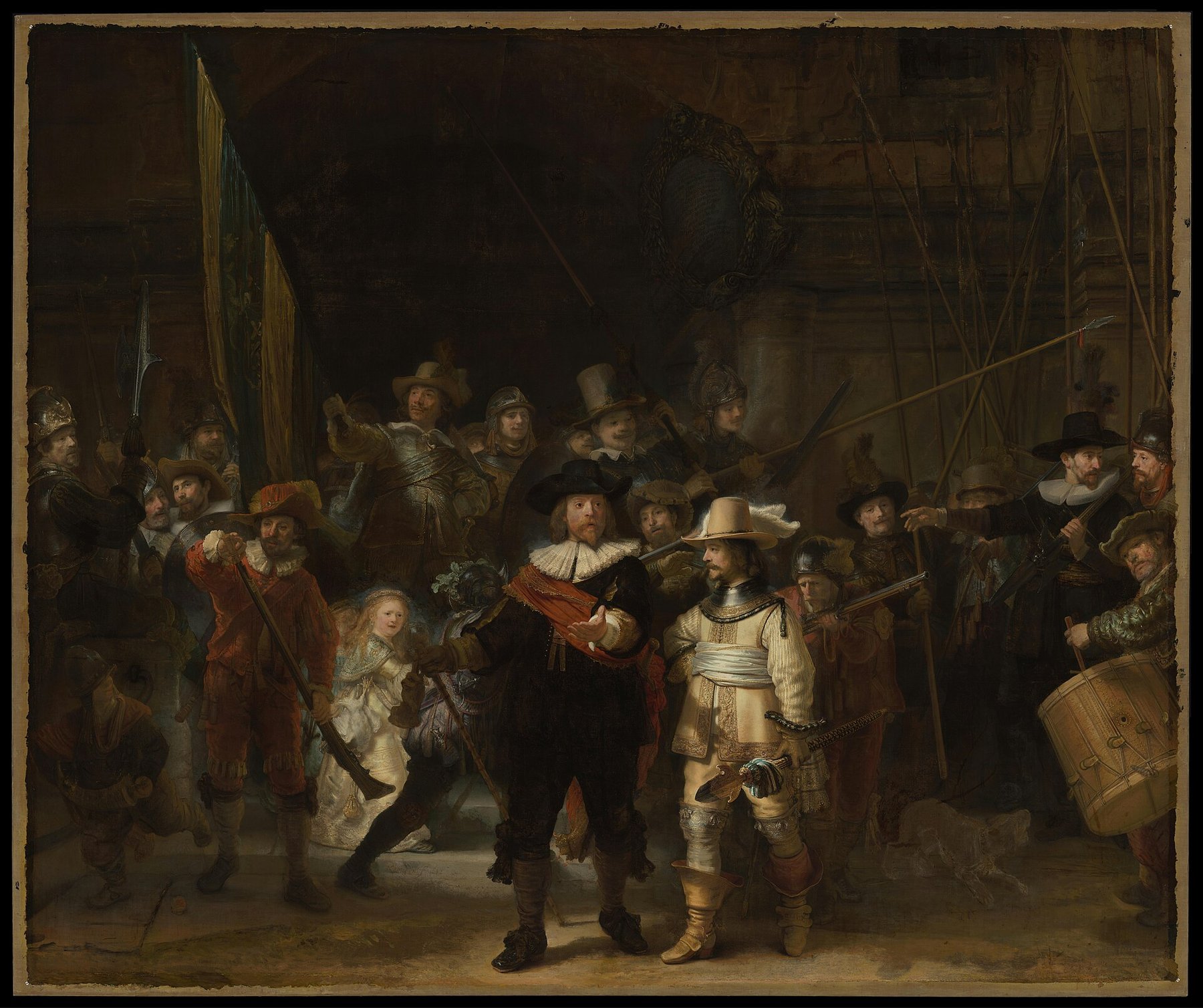
Rembrandt van Rijn · 1642
The Night Watch
Rembrandt's Night Watch shows a militia company setting out in daylight; its famous name comes from darkened varnish, and a strip of the can
Read the storyWhy this section exists
Most writing about famous paintings is either a biography of the painter or a paragraph of adjectives. Neither helps you look at the thing. Each of these twelve pieces does three things instead: it gives you the physical facts (medium, size, collection) in the first screen, explains what the painter was actually dealing with at the time, and then walks through the visual decisions — the composition, the colour, the edges — that make the picture work or fail.
They are also honest about reproduction. Every painting here is in the public domain, and we paint copies of them in oil on canvas for people who want the image at their own size. A hand-painted copy can carry composition, colour and scale; it cannot carry five hundred years of varnish, craquelure and the particular hand of a dead painter. If that distinction matters to you, these articles say so plainly rather than pretending otherwise.
Looking for a copy of one of these?
Every painting in this section can be hand-painted in oil to your size, with a numbered certificate.